
Reflection previews Beam as developers await open weights
Bottom lineThe 501-billion-parameter model enters limited early access, with a public release still ahead. Its efficiency claims raise a practical question: how will it perform in real deployments?
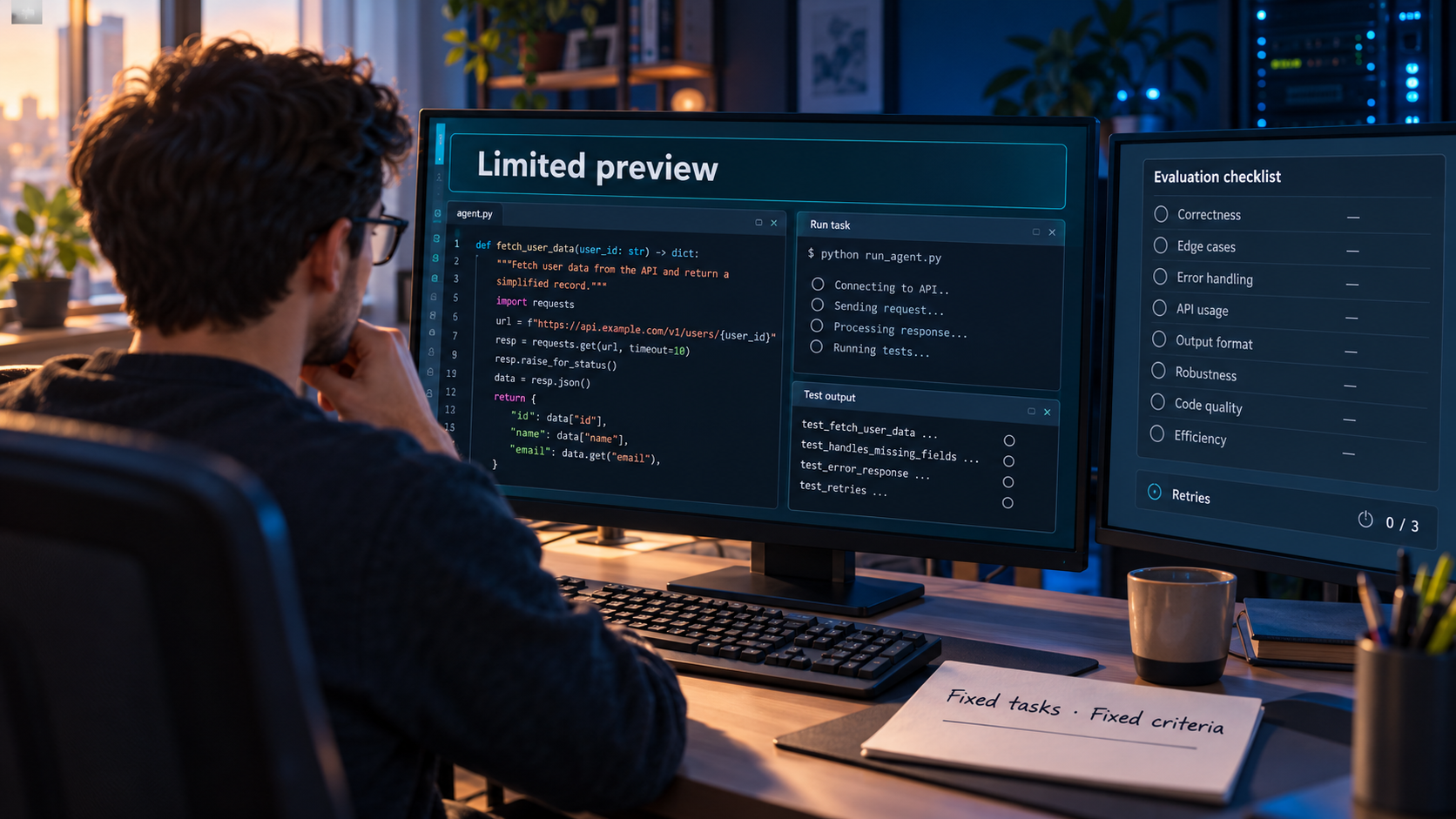
What was announced
Reflection introduced Beam on October 5, describing a sparse mixture-of-experts model with 501 billion total parameters and 23 billion active parameters. The company is targeting coding, reasoning and agentic tasks. Access is initially limited to selected users through a waitlist, while final safety testing and evaluations continue.
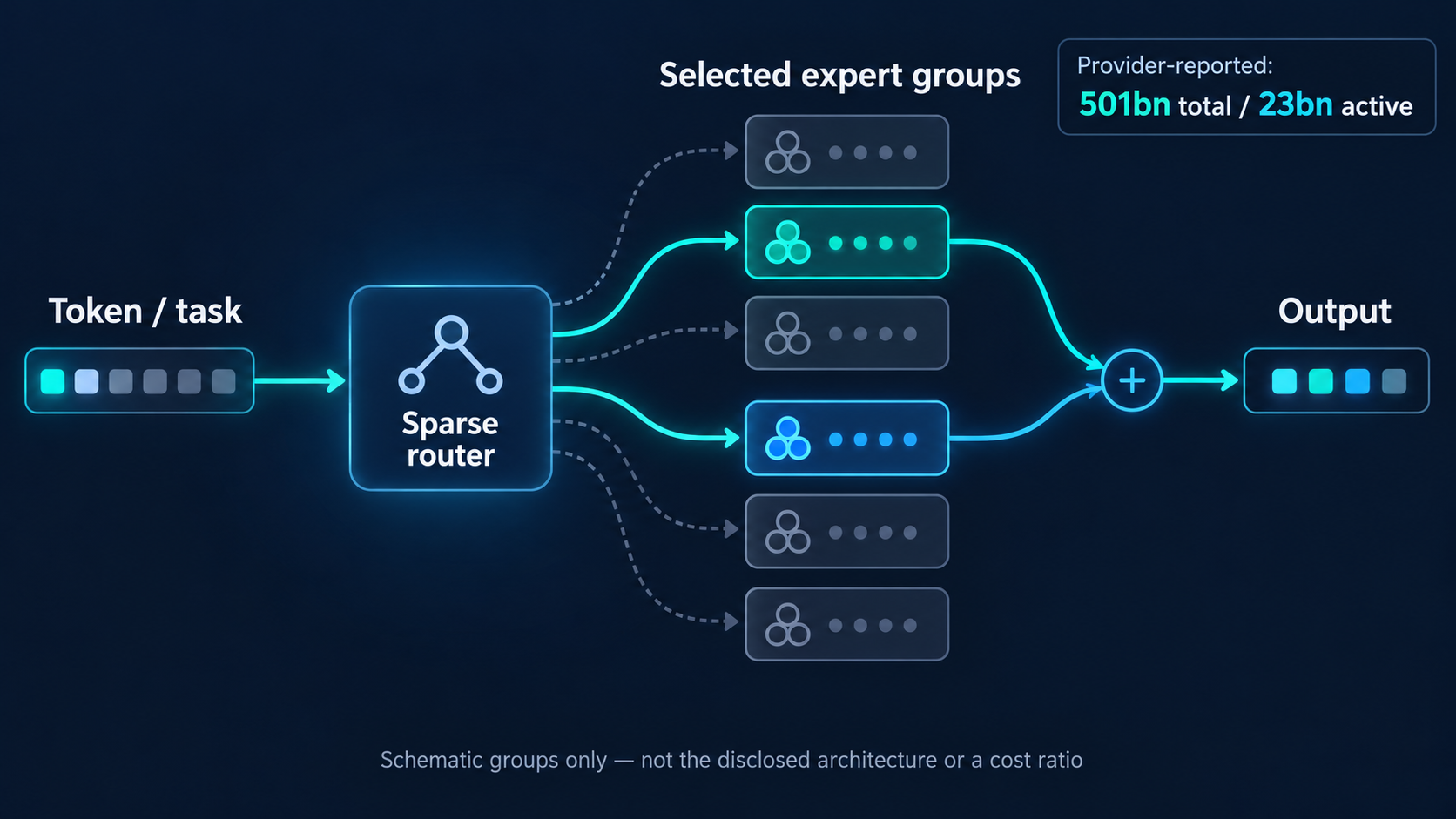
The company says Apache 2.0 weights, a technical report, a model card and developer materials will follow later in October. Its benchmark figures remain provider-reported; independent reproduction was not verified for this article.
The developer documentation describes the API as a beta whose behavior and limits may change. It offers an OpenAI-compatible endpoint supporting Chat Completions and Models, giving teams that use those interfaces a potential starting point for evaluation. This compatibility statement is narrower than a promise that every existing application will work unchanged.
FUVISIGHT analysis
For an engineering team, the useful question is how much reliable work a model completes within a fixed budget. A promising benchmark can justify a trial. A deployment decision needs measurements from the actual application, including failed attempts, repeated tool calls and the time a person spends checking the result.
Reflection's efficiency comparison uses estimated generation compute and excludes prompt processing, context-dependent attention and serving overhead. It should therefore be read as a scoped technical comparison, rather than a measured customer bill. Any eventual cost advantage will also depend on hardware, software and the workload being served.
A sensible pilot would keep the task set and acceptance criteria fixed, then record completion quality, latency and total resource use. Coding teams could include unfamiliar repositories and recovery from broken tools. Operations teams could check whether the model respects permissions and handles incomplete information without fabricating success. These are suggested tests, not reported Beam capabilities.
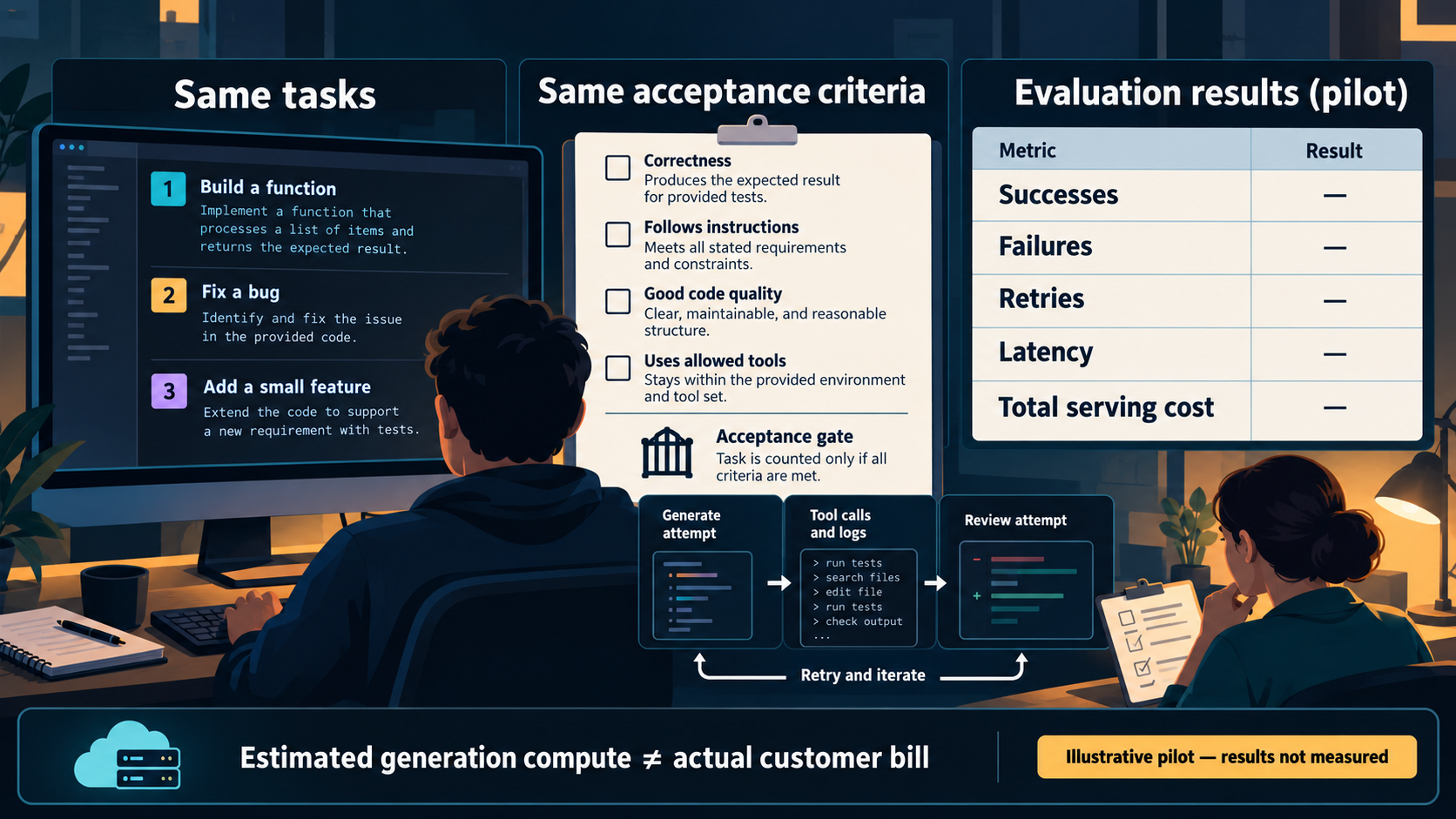
If the public release makes those experiments reproducible, developers could gain another option for locally controlled AI workflows. Until then, the preview is best treated as an invitation to investigate, with the deployment case still open.
What to watch
Watch for the downloadable weights, final license, evaluation settings and supported deployment stack. Independent tests and workload-specific reliability measurements would provide stronger evidence for adoption than a headline ranking alone.